By Collo on Mar 30, 2026
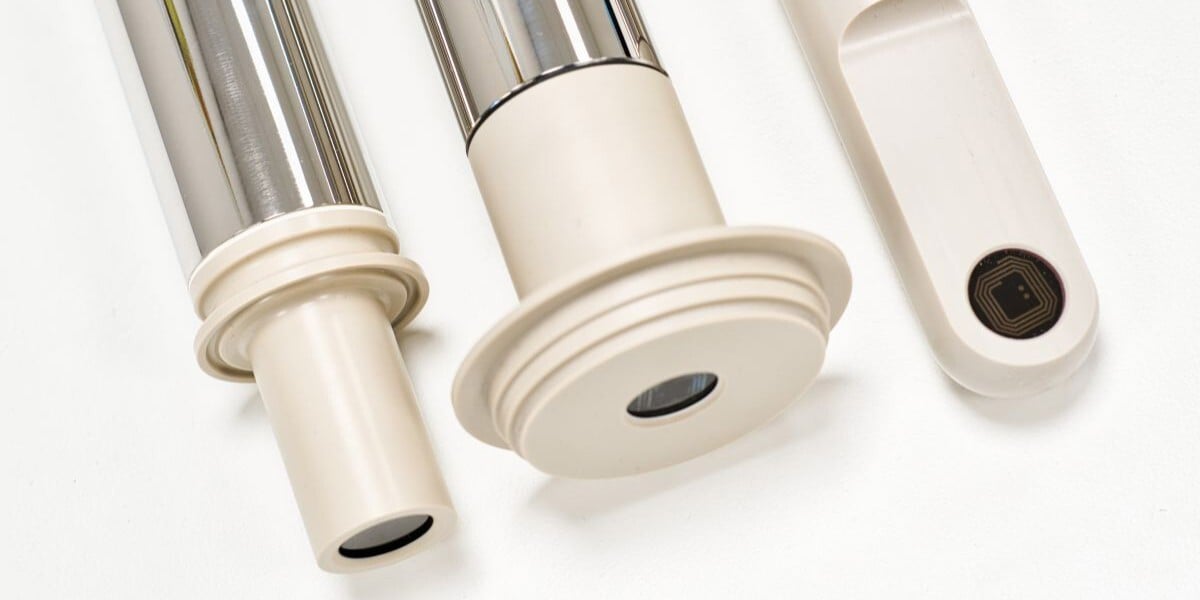
Not all sensor connections are created equal – and in food and beverage production, the difference can be measured in microbial risk, cleaning efficiency, and regulatory exposure.
The conversation about inline process measurement has matured considerably over the past decade. What was once a debate about whether to move data off the laboratory bench and into the process line has shifted. Most dairy and beverage manufacturers now accept that continuous inline measurement delivers better process control, faster response times, and fewer production losses than batch sampling ever could. –
But alongside the question of whether to measure inline we must also consider how the sensor is installed. Connection technology is rarely the first thing specified – but in food and beverage production, it carries real consequences for hygiene, cleaning efficiency, and regulatory compliance.
The Limits of Tri-Clamp
Tri-Clamp has served the food and beverage industry well for decades. It is widely understood, simple to work with, and compatible with a vast ecosystem of equipment. For many applications, it remains perfectly adequate.
However, when inline sensors operate continuously inside liquid food processes – dairy, beverage, brewing – the demands placed on the connection point go beyond simple mechanical compatibility. The questions that matter most in these environments are hygienic ones:
- Does the connection create any dead volume where liquid can pool?
- Does the connection create any gap between the device and the connection piece where product residue or bacteria can accumulate?
- Is the geometry certified to recognised hygienic engineering standards?
- What is the risk of microbial harbouring at the sensor-pipe interface?
- How is the compression of the gaskets controlled for consistent installation
On these criteria, traditional Tri-Clamp installations present real limitations. Gasket interfaces create sites where product residue accumulates. Full CIP effectiveness often depends on how carefully the installation was assembled – and whether the clamp and gasket are removed, inspected, and reassembled as part of the cleaning cycle. In high-throughput production environments, that kind of manual intervention is both operationally costly and a source of human error.
Hygienic design as engineering discipline
The European Hygienic Engineering and Design Group (EHEDG) has spent over three decades defining what truly hygienic process equipment looks like. Their guidelines are exacting: geometry that eliminates dead legs, surfaces that drain completely without residue, connections that can be cleaned in-place without dismantling, and materials that resist microbial adhesion.
EHEDG certification is a verification that a piece of equipment has been independently assessed against these engineering standards. For food safety managers and quality teams operating under HACCP frameworks, it is one of the most meaningful indicators that a connection technology belongs in their process.
The shift toward EHEDG-certified connection standards in sensor installations reflects a broader maturation in how the industry thinks about inline instrumentation. A sensor that delivers accurate data is valuable. A sensor that delivers accurate data and meets the hygienic design standards of the process it is installed in is categorically different – both in terms of risk management and regulatory confidence.
What a more hygienic design means in practice
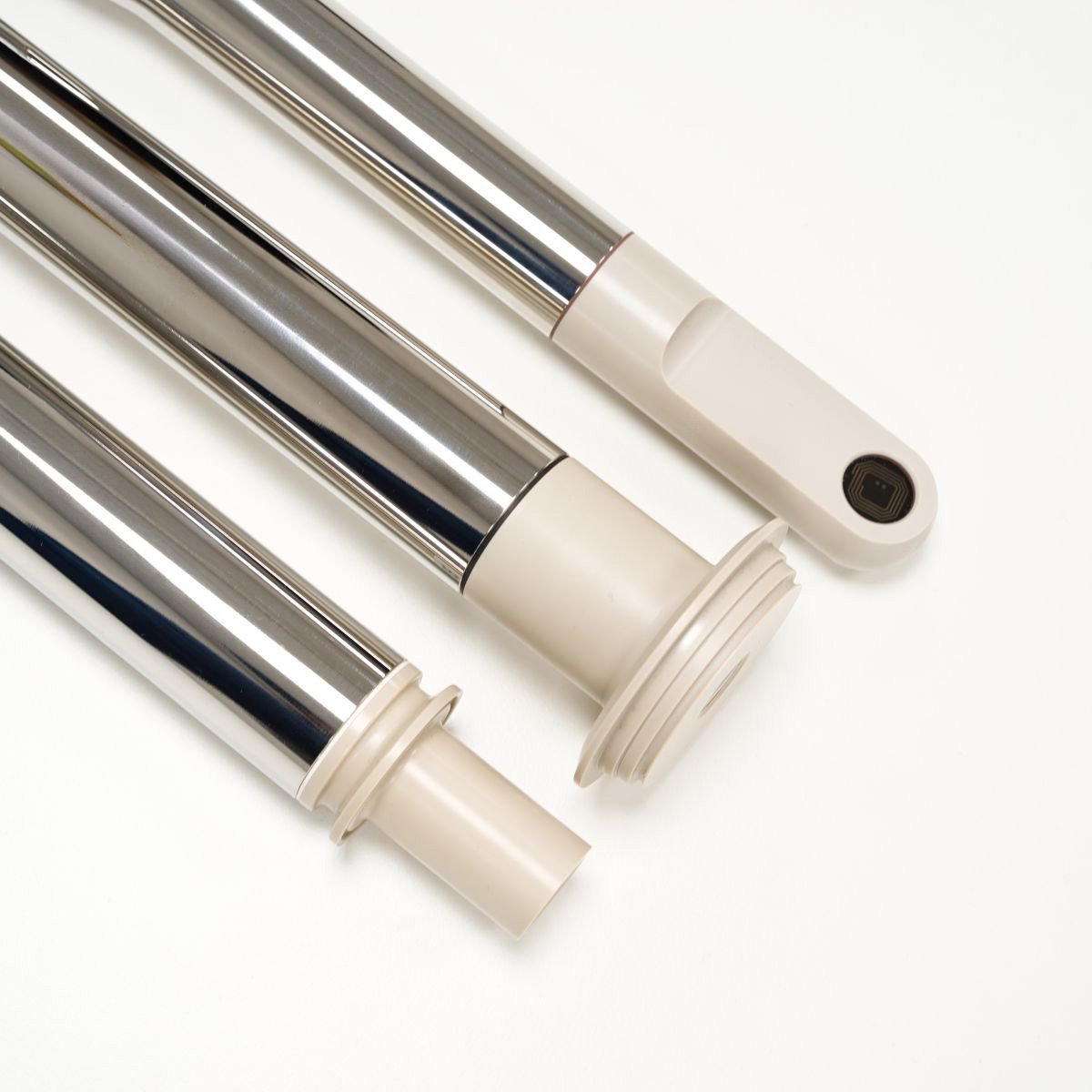
EHEDG EL Class I certification means that analyzers have been proven cleanable in wet CIP without dismantling. The design is validated across materials, geometry, gaskets, gasket compression, and user documentation, and tested in laboratory conditions to confirm no microbial residue remains after CIP cycle tests. In practical terms, that validation covers four areas:
No gap at the connection point. With Tri-Clamp, the space between the device and the connection piece was consistently flagged by dairy manufacturers as a hygienic risk — a site where product residue and bacteria can accumulate. Varinline eliminates that gap by design, reducing microbial harbouring risk at the connection interface.
No dead legs. Self-draining geometry ensures that liquid does not pool at the sensor interface between process runs. This is not a minor point – standing product in a connection point is a contamination risk that no downstream cleaning cycle fully compensates for.
Reduced microbial harbouring risk. The geometry of the sensor interface – how it sits in the pipe, how product flows around it, how the gaskets are compressed, whether the surface promotes or resists biofilm formation – directly affects contamination risk. Hygienic design principles address all of these factors.
Regulatory and audit confidence. EHEDG certification provides documented evidence that the connection meets recognised hygiene standards – this is also validated experimentally in an accredited laboratory.
Collo is now available with Varinline Type N analyzer
This is why we are pleased to confirm that Collo inline analysers are now available with Varinline Type N installation – an EHEDG-certified hygienic connection that meets all four of the criteria outlined above.
Varinline Type N provides a self-draining, fully CIP-compatible inline connection with minimal process intrusion. The sensor protrudes approximately 10 mm into the pipe, ensuring accurate measurement without disrupting flow, and the geometry is certified to EHEDG hygienic design standards.
For customers who have been deploying Collo in Tri-Clamp configurations, Varinline Type N offers a path to a higher standard of hygienic installation – without changing how the sensor performs or how it integrates with your existing process control infrastructure. For customers specifying new installations, it is now the recommended connection for dairy and beverage applications where hygienic design standards are a formal requirement.
Varinline Type N is now available for all new LiquidIQ and ProcessIQ installations. Get in touch to find out what that means for your facility.
ColloidTek selected as one of the Top 25 most innovative Nordic Cleantect start-ups of 2020
Why measuring just viscosity is not enough?