By Christine Kouhia on Dec 1, 2025

Every production facility using traditional liquid analysis sensors—conductivity probes, pH meters, turbidity sensors—pays a hidden tax: sensor drift. Over time, these sensors lose accuracy. Electrodes foul, optical windows cloud, reference junctions degrade. The result is a constant cycle of calibration, maintenance, and uncertainty about data reliability.
For a typical beverage or dairy facility, this means scheduled calibration downtime every few weeks, emergency recalibrations when readings seem suspicious, and the nagging question: "Can I trust this measurement?"
Why traditional sensors drift
Sensor drift isn't a quality control problem—it's physics and chemistry. Conductivity sensors rely on electrodes that corrode and accumulate deposits. pH probes contain reference solutions that contaminate over time. Turbidity sensors have optical surfaces that foul with product residue. Every contact with process liquids degrades measurement accuracy.
The industry has accepted this as inevitable. Calibration protocols, maintenance schedules, and validation procedures are all built around managing drift rather than eliminating it.
RF analysis: A fundamentally different approach
Radio frequency-based liquid analysis operates on different principles that sidestep drift entirely. Collo's system measures how electromagnetic fields interact with liquids—specifically, how the liquid's molecular structure affects radio waves passing through it.
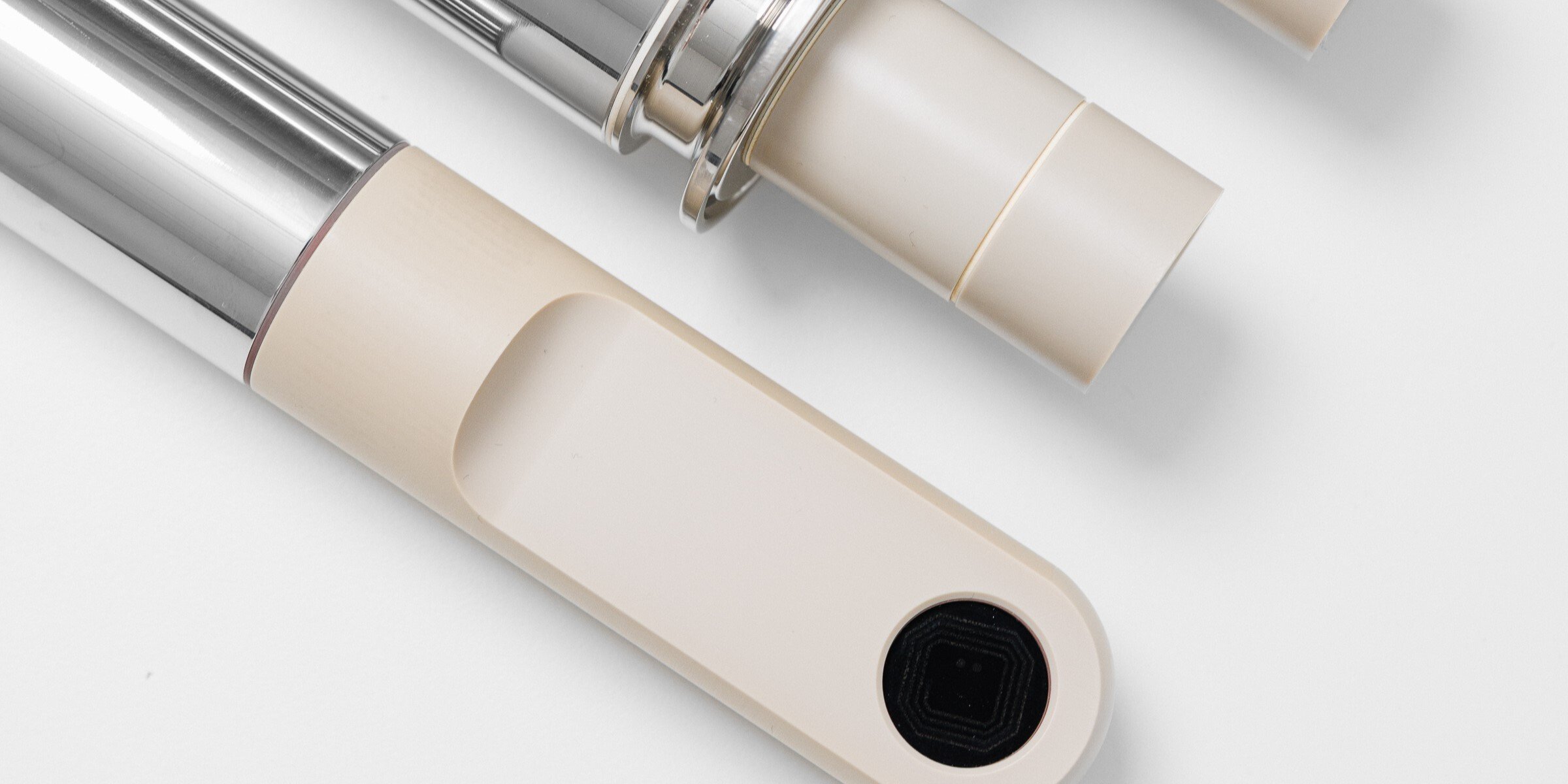
The critical difference: the measurement is based on fundamental electromagnetic properties, not on sensor surface conditions or chemical reactions. There are no electrodes to corrode, no reference solutions to contaminate, no optical windows to foul. The sensor measures the liquid's inherent electromagnetic signature, and that measurement principle doesn't degrade over time.
What zero drift means in practice
The operational implications are significant:
Continuous data reliability: When drift is eliminated, every measurement is equally trustworthy whether the sensor was installed yesterday or a year ago. Production teams can make decisions based on real-time data without second-guessing sensor accuracy.
Elimination of calibration downtime: Traditional sensors require regular calibration cycles—taking lines offline, running reference standards, adjusting coefficients. Zero drift eliminates scheduled calibration entirely. Installation validation is still required, but ongoing calibration becomes unnecessary.
Reduced false positives and missed events: Drift doesn't just affect accuracy—it affects precision. A drifting sensor might trigger false alarms when nothing is wrong, or miss real process deviations because its baseline has shifted. Zero drift means more reliable process control.
Lower maintenance burden: Facilities can redeploy technical resources from routine sensor maintenance to higher-value activities. No more calibration schedules, no more emergency service calls when sensors read unexpectedly.
Setting new standards
As manufacturing becomes more data-driven, sensor reliability becomes more critical. Real-time process control, predictive analytics, and automated decision-making all depend on trustworthy data. Sensor drift introduces uncertainty that cascades through these systems.
RF-based liquid analysis represents a fundamental shift in what's possible. Zero drift isn't just a feature—it's a new standard for industrial liquid measurement that enables manufacturing operations to move faster, optimize more aggressively, and trust their data completely.
Want to learn more about RF-based liquid analysis? Contact our team or explore our technology overview.

The true cost of product losses in dairy manufacturing: A data-driven analysis

Why 'One more dashboard' won't fix your CIP process