By Matti Järveläinen on Feb 13, 2026
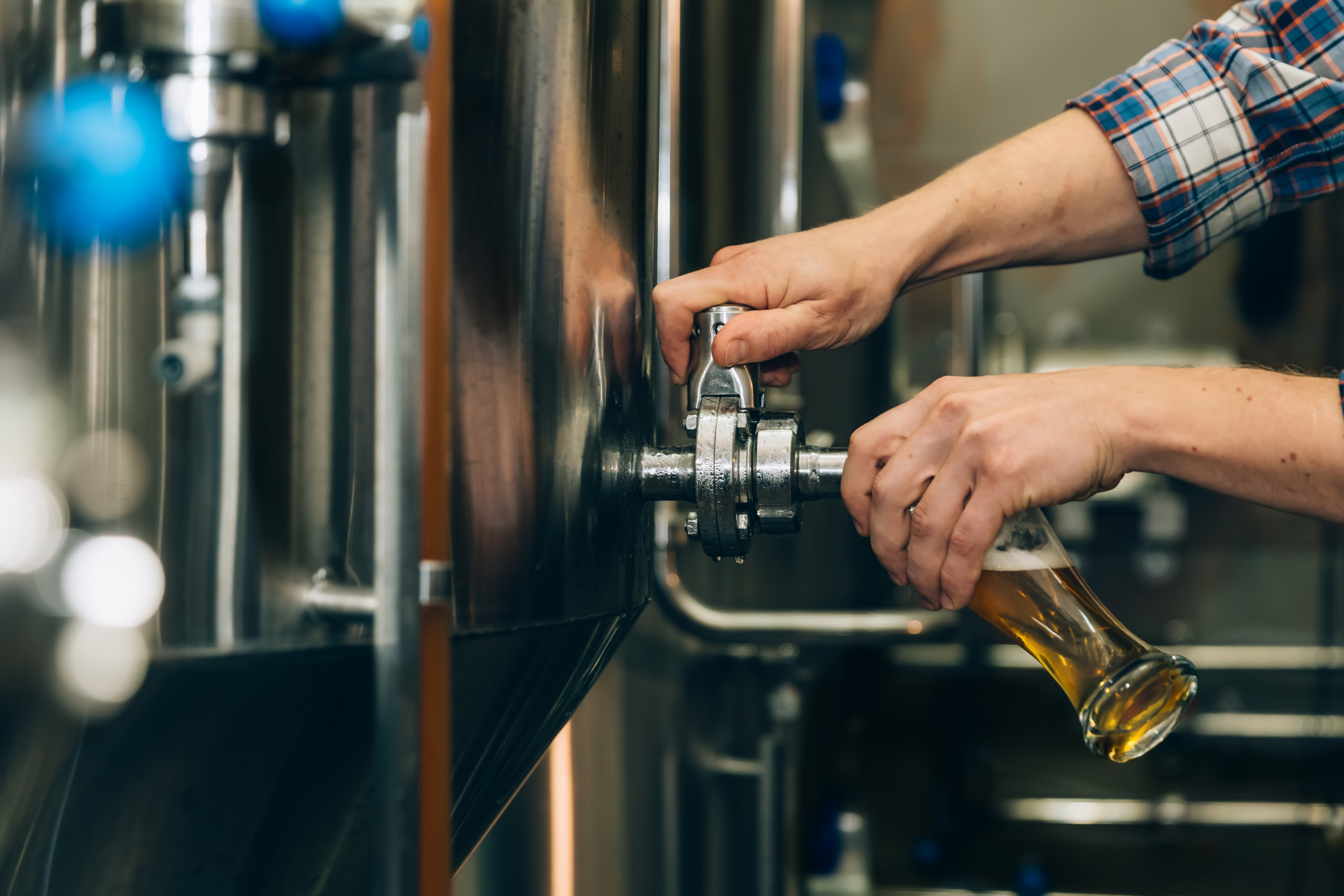
Our article on liquid process intelligence for breweries was recently published in Brauwelt, the leading German brewing industry publication. Here are the key takeaways.
The Transformation
The brewing industry is at an inflection point. While dairy and beverage producers have already adopted real-time liquid process intelligence to optimize operations, brewing is next in line for this transformation—one that promises both sustainability gains and improved profitability.
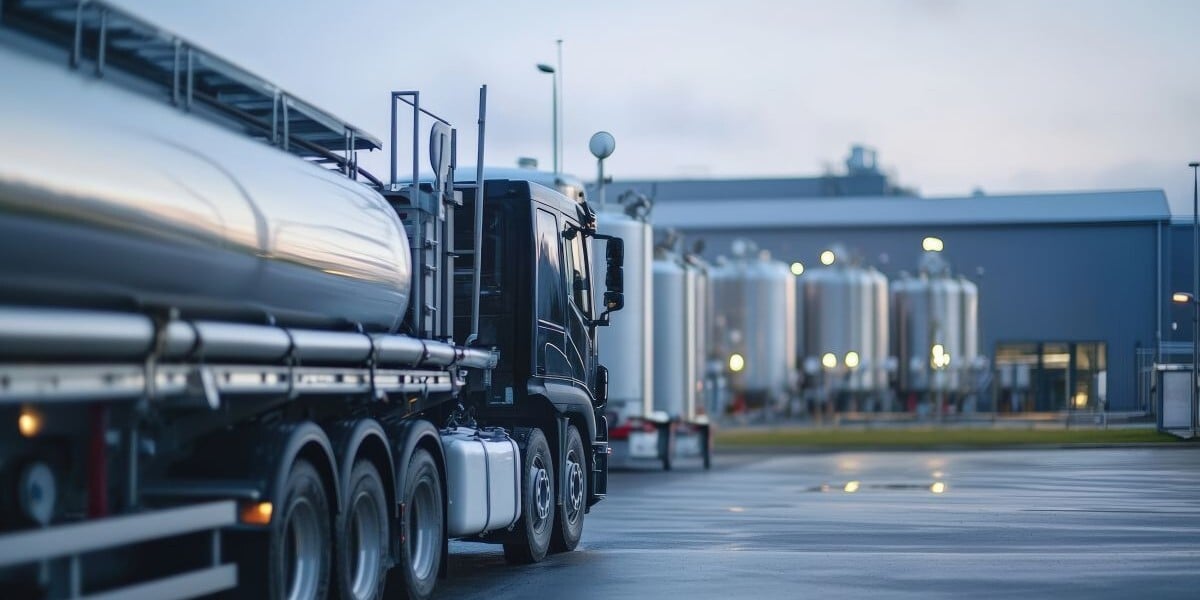
At a European beverage facility, our analyzers cut CIP time by 23.5 percent by switching from fixed time-based cleaning to state-based control. The system cleans until actually clean, rather than following predetermined schedules. The result: 6,200 liters of water saved per cycle, 1.55 million liters saved annually, reduced energy consumption from less water heating, and increased production yield. Less cleaning means more brewing—and ROI in under one year.
Why traditional sensors fall short
Legacy sensors—conductivity probes, flow meters, turbidity sensors, and refractometers—were developed decades ago for simpler applications. Each measures a single parameter with limited sensitivity, leaving complex liquid processes largely uncharacterized.
Conductivity can't distinguish between harmful caustic residue and harmless hard water minerals. Flow meters measure volume but provide zero composition information. Turbidity saturate at high solids concentrations precisely when information is most needed. The result: conservative operating protocols that waste water, chemicals, and production time.
The cost of inefficiency
For brewers, the financial impact is significant. Product changeovers can require approximately 100 liters to be run through pipes, with overall brewing losses ranging from 2.1 to 6.4 percent of total production. For a 100,000-hectoliter brewery, inadequate process control can result in combined annual losses exceeding €1 million when factoring in product waste, water consumption, and energy costs.
The primary opportunity lies in gaining production capacity. Shorter CIP cycles mean less cleaning and more brewing—translating directly to additional production time from existing equipment without capital investment in new lines. Beyond water savings, facilities reduce energy consumption through less water heating and shorter cleaning cycles, while increasing production yield through more precise product recovery.
Multi-parameter RF analysis
Our RF liquid analyzer addresses these limitations through fundamentally different measurement principles. The technology works non-invasively by sending radio-frequency electromagnetic fields into liquids and measuring their response—revealing properties that conventional sensors miss.
The system generates two complementary measurements: Collo Permittivity (CP), which correlates with physical properties like dissolved solids, and Collo Ion Viscosity (CIV), which correlates with chemical properties including ionic concentration and contamination. Machine-learning algorithms transform these measurements into automation signals in under one second.
Laboratory tests with beer samples demonstrate capabilities relevant to brewing:
- Detects caustic contamination below 50 ppm (10x more sensitive than conductivity)
- Identifies 2% water dilutions in beer at the critical transition zone
- Distinguishes between different beer types through unique measurement patterns
"Quality and safety come first"

Dr. Matti Järveläinen
CTO | Collo
A conservative implementation approach
Understanding brewing's conservative nature, our implementation prioritizes quality, safety, and gradual validation. The implementation starts in monitoring mode for 3-4 weeks to build confidence before moving to advisory or automated control.
"The system monitors and advises before it ever touches process control. Breweries see exactly what the technology detects, validate its accuracy, and build confidence before making any operational changes."
Only after validation does implementation progress to advisory control, where the system recommends actions operators execute manually. Finally, if desired, automated control can manage process phases based on actual liquid composition.
Proven results across dairy and beverage
Installations at facilities working with Valio and evaluations at other major producers demonstrate reduction in liquid losses. At a European beverage facility, switching from fixed time-based cleaning to state-based CIP control reduced cleaning time by 23.5 %, saving 6,200 L of water per cycle and 1.55 M L annually, with ROI in under one year.
The technology earned us the World Beverage Innovation Award 2025 in the Processing/Production Innovation category at Drinktec in Munich.

The sustainability imperative
Water intensity defines resource efficiency across liquid food manufacturing. Beer production shares similar consumption patterns with other beverage sectors—substantial water input beyond the final product volume, with cleaning and changeovers as largest contributors.
"This transformation isn't optional," Järveläinen observes. "Companies adopting real-time liquid process intelligence will meet sustainability targets and maintain competitiveness. Those that don't will face growing cost and compliance pressure."
What's next
Real-time process intelligence is becoming standard practice across liquid food manufacturing. For brewing, the question is timing—when individual breweries will adopt these capabilities and whether they will lead or follow this transformation.
As sustainability targets tighten and margins narrow, predictive process control offers a clear path to resource efficiency and operational resilience. The shift from reactive to predictive management will define the next decade of brewing technology.
Read the full technical article — as published in Brauwelt International
This blog post covers the key findings. The original Brauwelt International article goes deeper: measurement methodology, multi-frequency RF sensing data, and full CIP and changeover results from beverage production.
Ready to save millions of liters annually?
If you're running frequent CIP cycles or experiencing product losses during changeovers, the economics might surprise you. Let's quantify the potential impact for your specific operation.
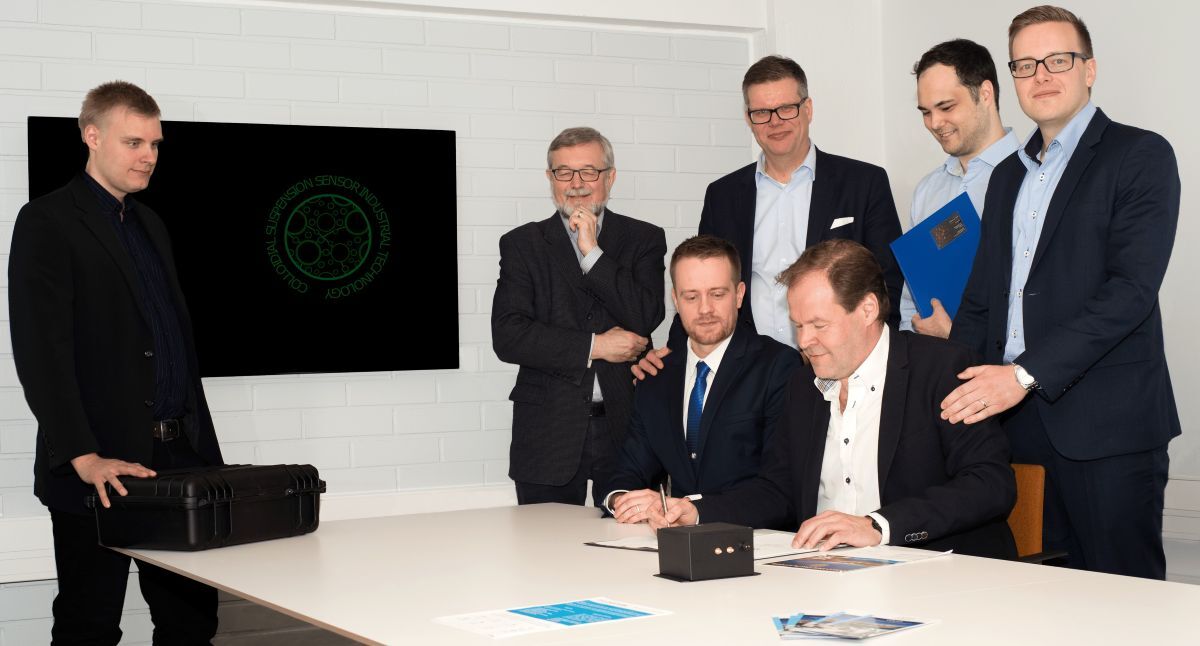
ColloidTek Oy spins off from Tampere University of Technology
Revolutionising liquid analysis landscape in the dairy industry